From Zoning to Governance: How Communities Are Managing 200,000 Hectares of Marine Ecosystems

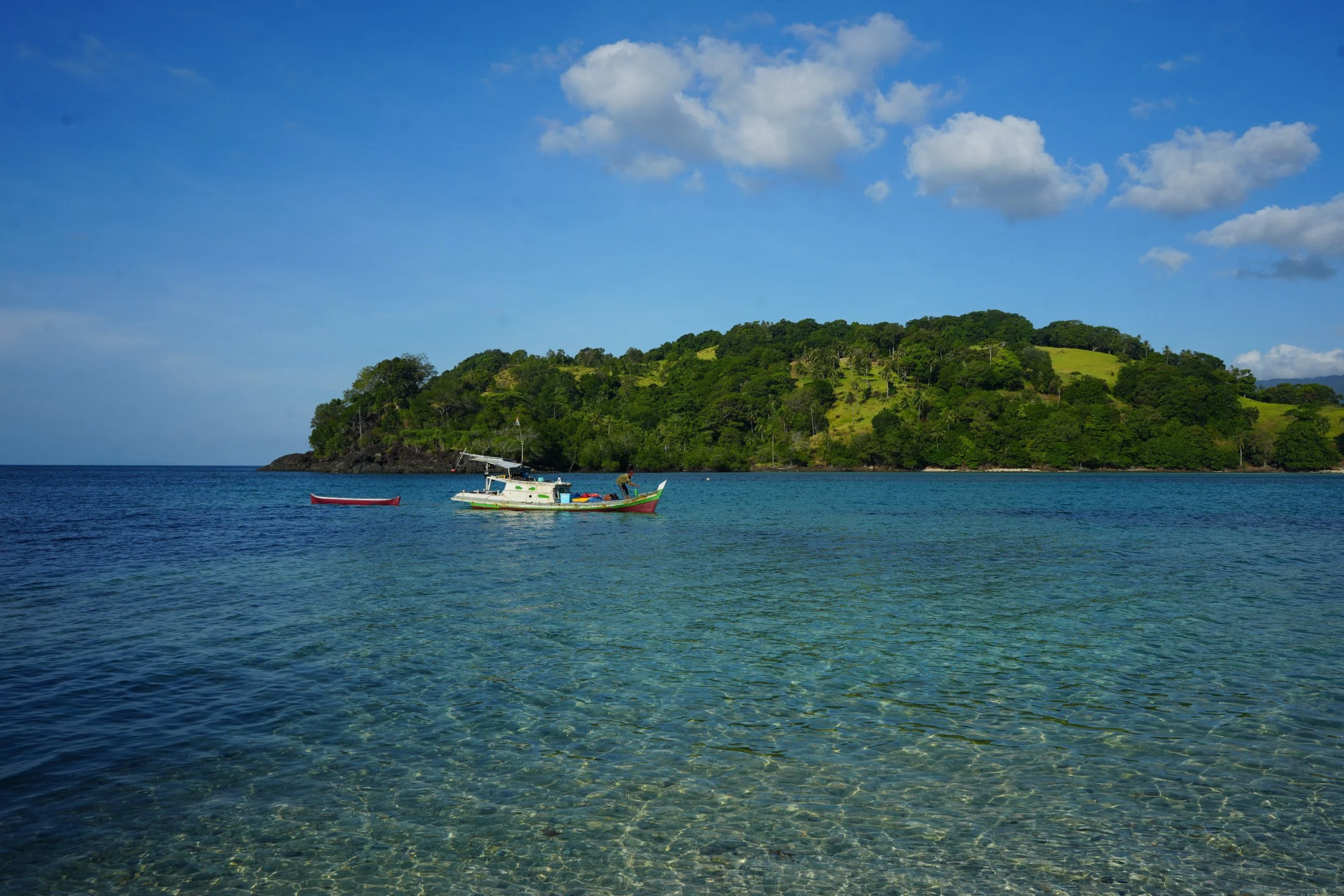
In a monumental case, the zonation of the Karimata Marine Nature Reserve opened 83% of the area for community access and co-management, allowing space for settlements, cultural activities, and small-scale fishing. The ten-year management plan, now being drafted, turns that zonation map into concrete action plans on how the reserve will be managed, building on conservation work that communities have led since 2021.

Read More
Bay Cats, Hornbills, Pangolins and the Data Behind Community Forest Management

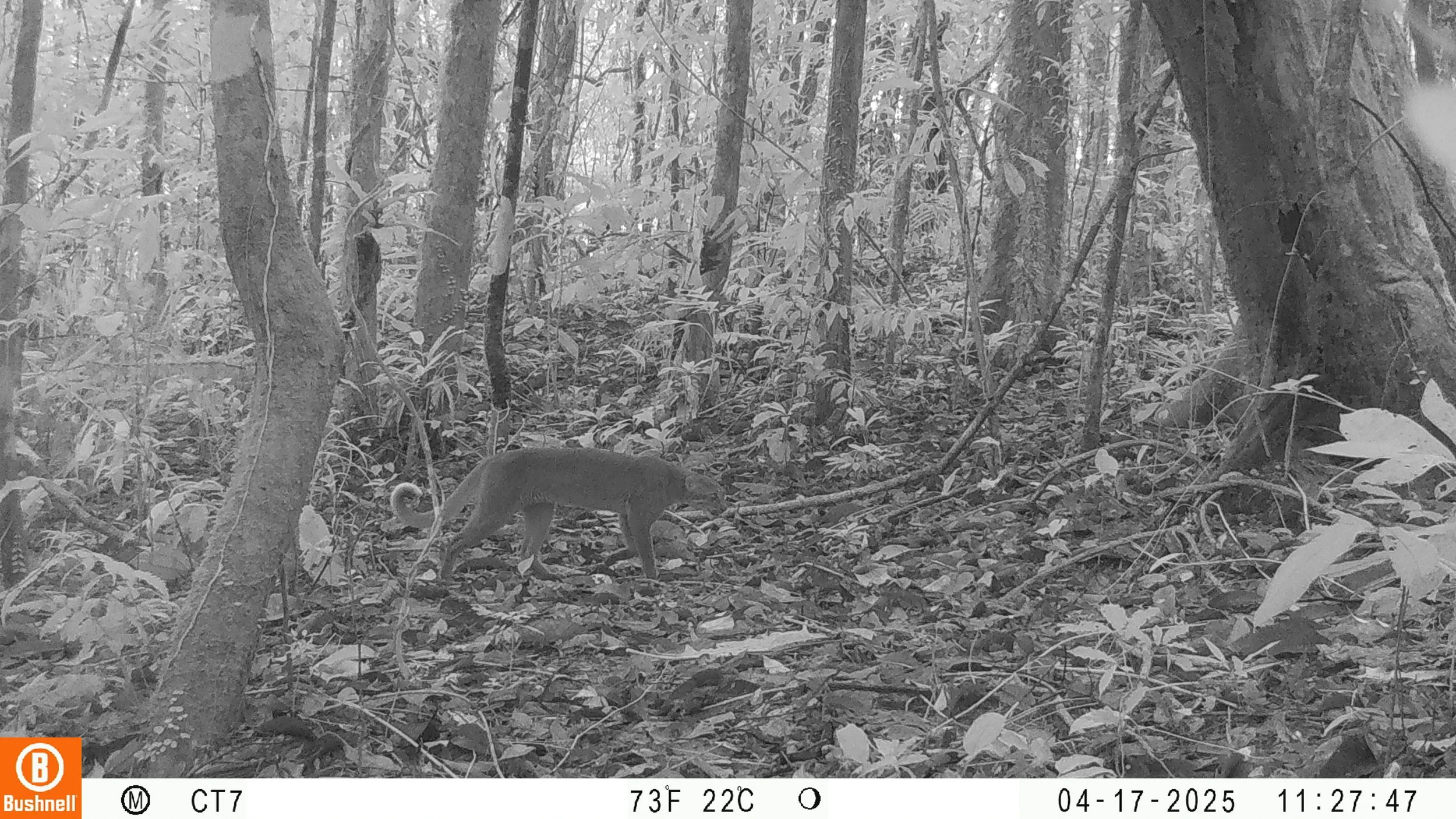
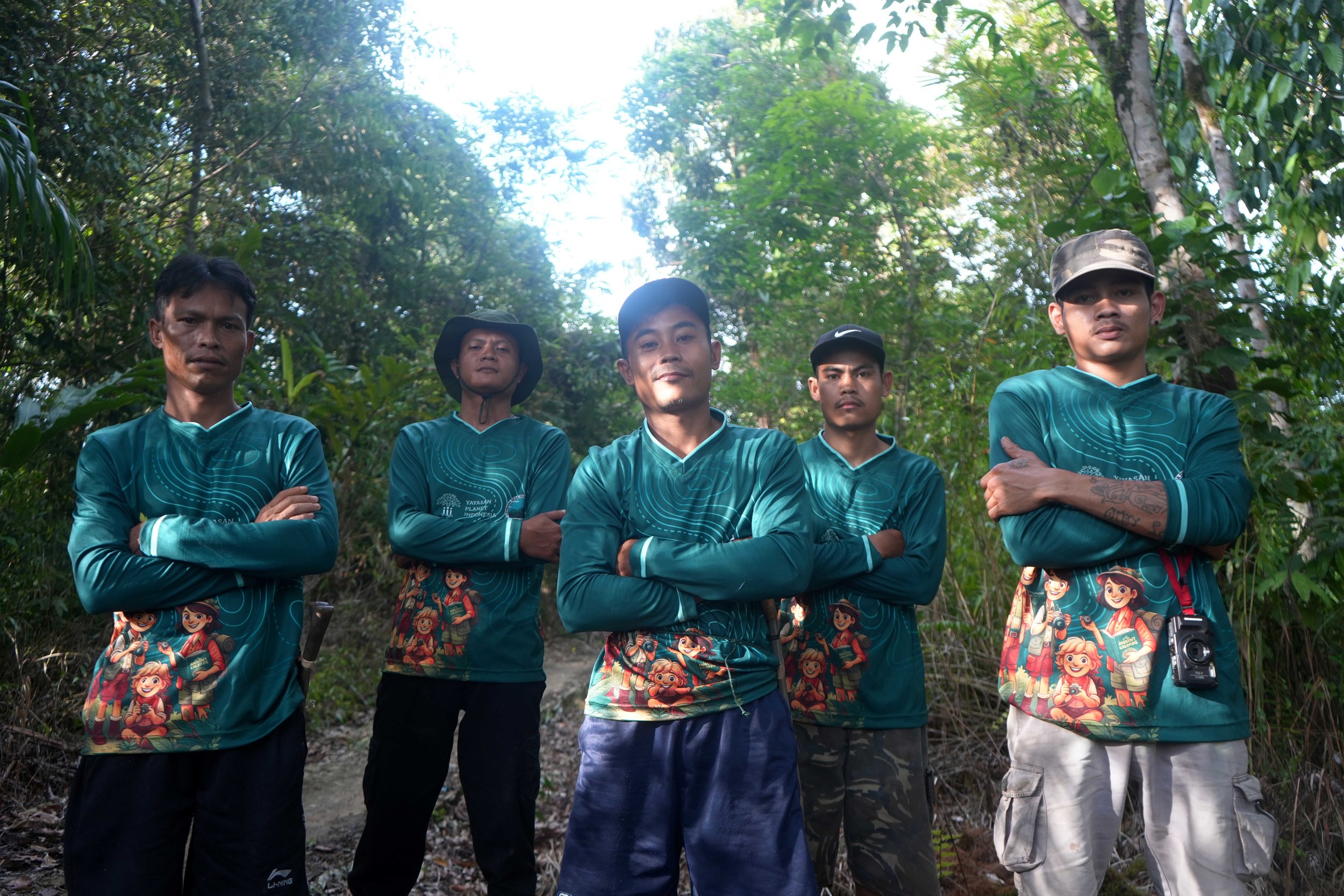
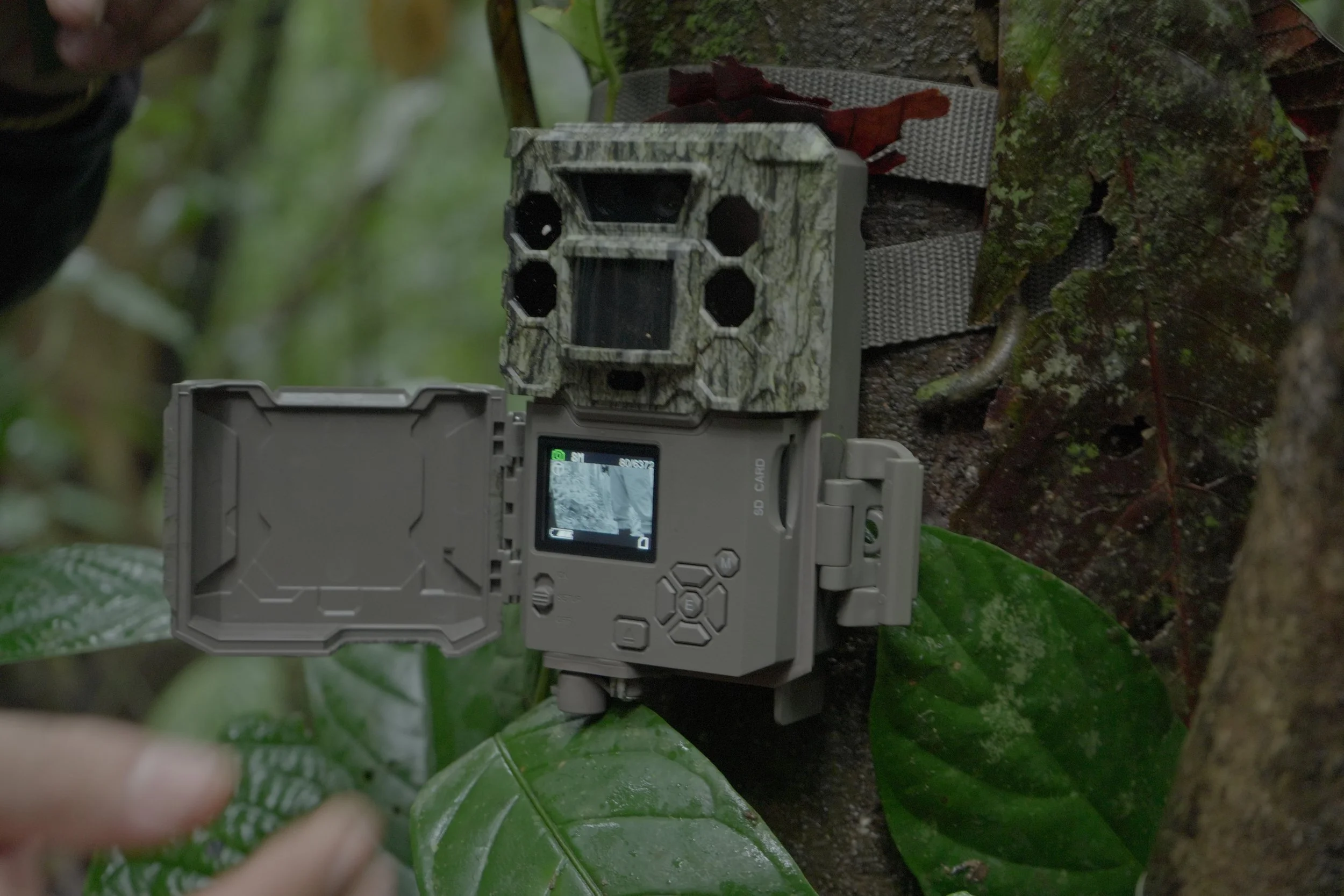
Between February and November 2025, Planet Indonesia and WildMon ran a combined bioacoustic and camera trap survey across 100 sites in the Gunung Naning Protection Forest, West Kalimantan. The first season detected 202 species in total, including 20 species endemic to Borneo and 10 Endangered or Critically Endangered species. 

Read More
An Offense Against Adat, an Offense Against Nature

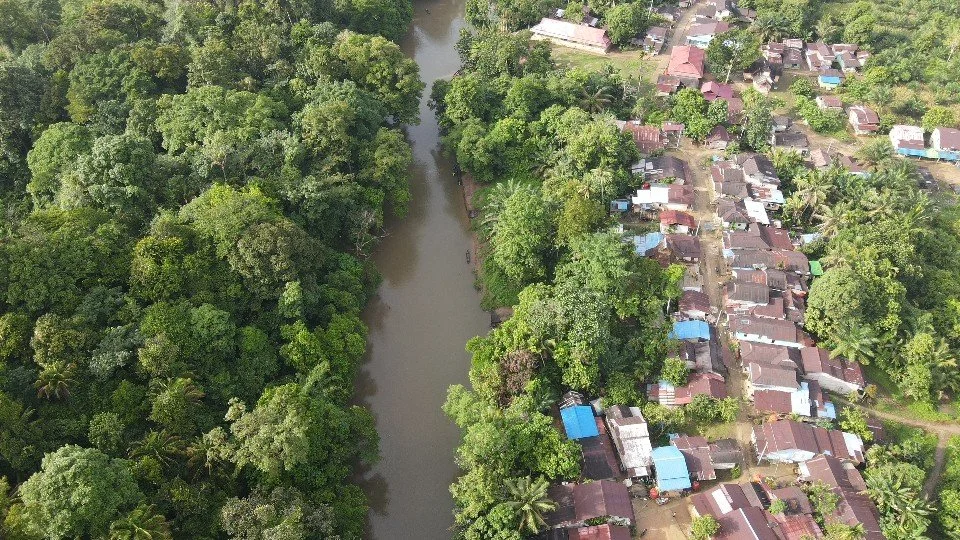
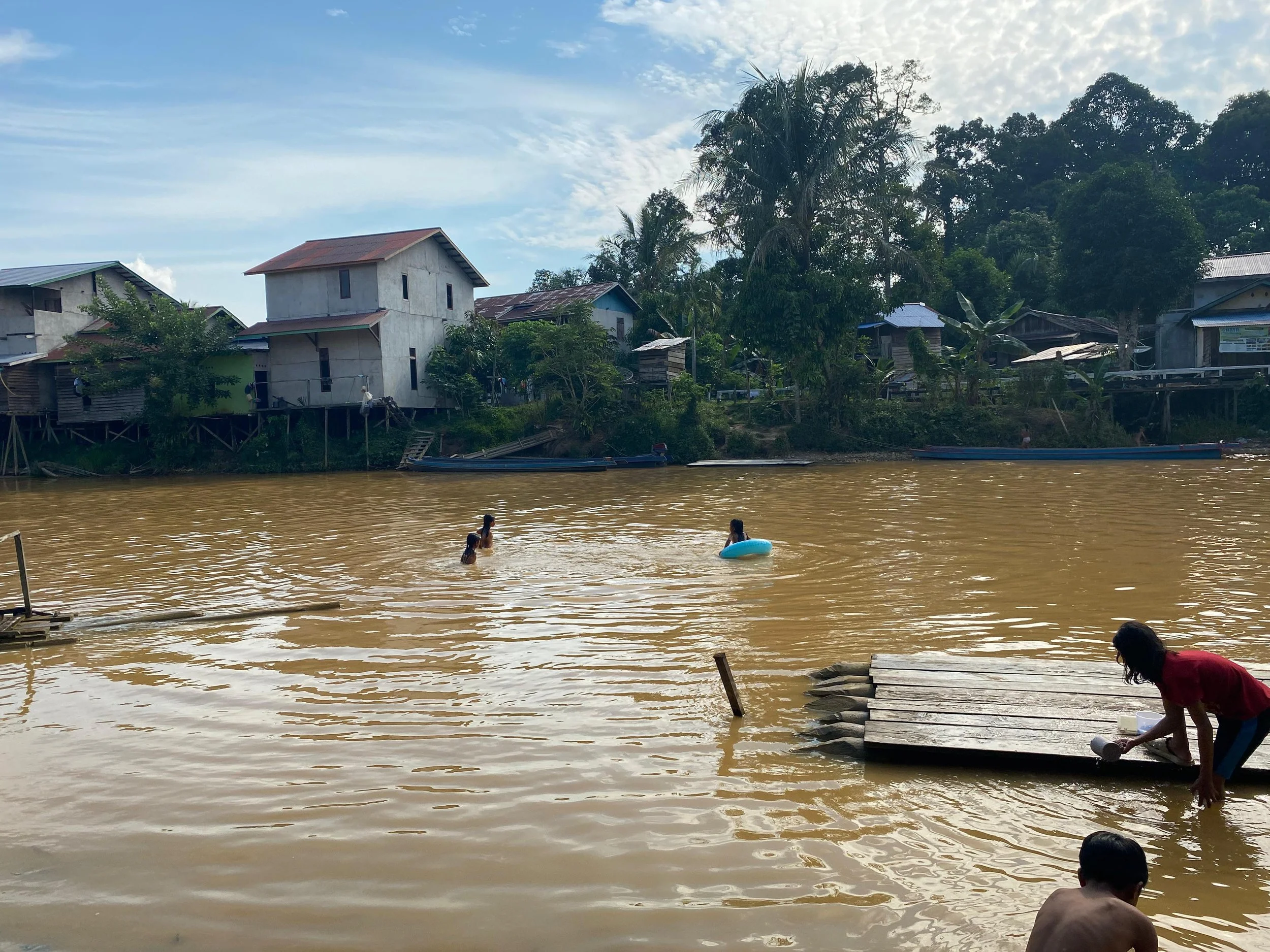
Pico, customary chief of Tadan village, says this quietly, his eyes fixed on the forest standing just beyond the customary longhouse, in Bengkawan, in the misty, mountainous, central forests of Borneo.  From where he sits, the canopy is still intact. Tall trees still stand close together, some protected for generations, because they are believed to be an inheritance from the ancestors that must never be cut carelessly. Under their canopy, birdsong breaks the morning quiet, while the Biang River flows calmly nearby, sustaining daily life in the village. From the air, though, the picture looks different: Tadan's customary forest appears as a green island surrounded by oil palm plantations. That contrast is a daily reminder to the community that the space they protect is never entirely safe.

Read More
Press Release: New Study Finds Community-Led Health and Livelihood Programs Helped Protect West Kalimantan's Rainforests During COVID-19

PONTIANAK, Indonesia - A new study published in The Lancet Planetary Health found that villages where communities had already co-designed health and livelihood programs with local nongovernment organizations, including Alam Sehat Lestari (ASRI), Health In Harmony, and Yayasan Planet Indonesia, experienced significantly lower forest loss during the COVID-19 pandemic than neighboring villages without those partnerships.  

Read More
The People’s Money

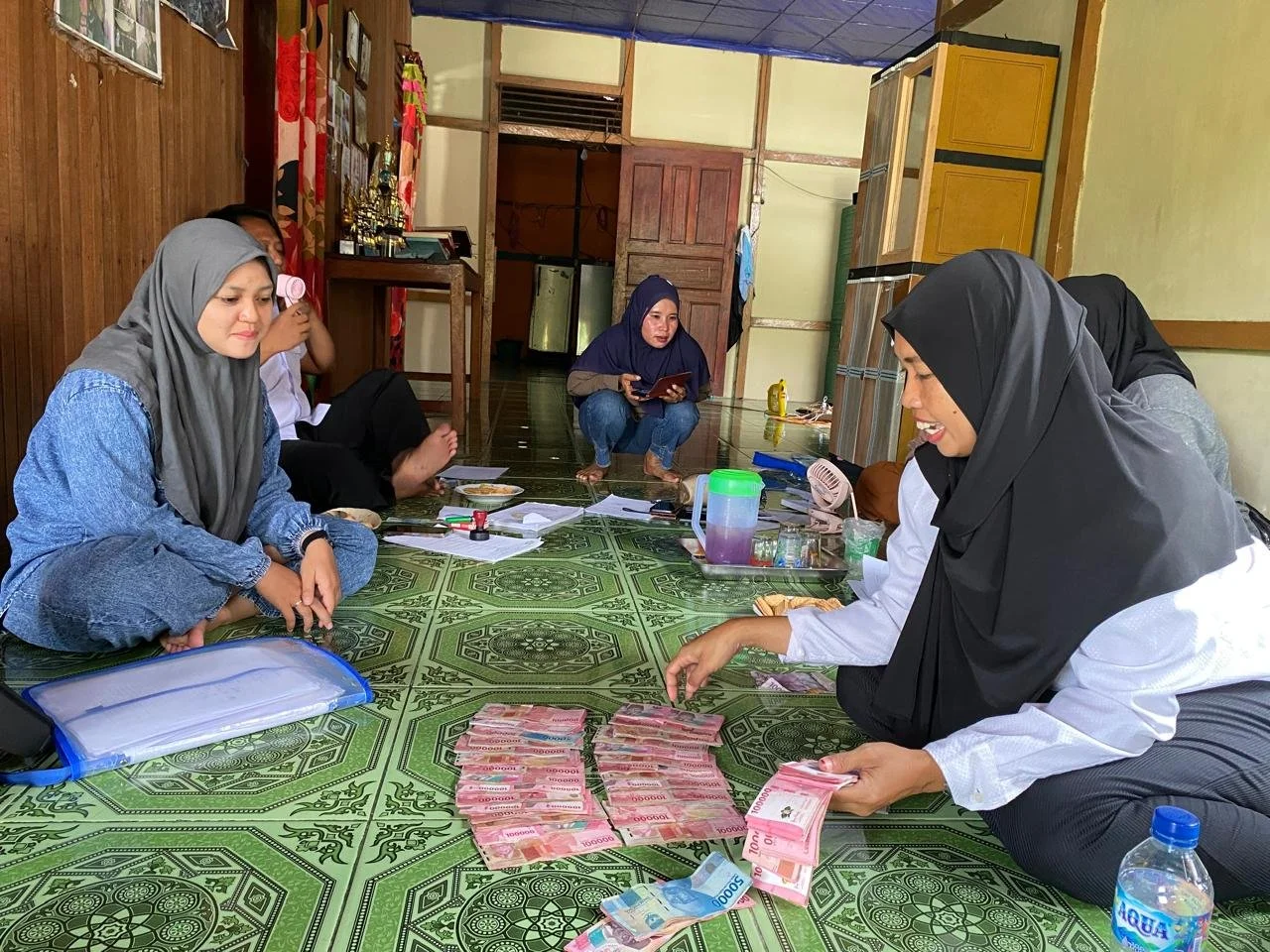
When a community sets up a savings and loans group, it is building something new together: a shared fund, a set of rules, a small working group to run it. It asks people to trust one another and to trust the system they have built. When that trust breaks down, it is the response of the community that is the key, and the difference between short-term conservation and livelihoods interventions and effective, sustainable change for communities and the environment.

Read More
Advancing Customary Tenurial Rights in Area-based Conservation: An International Forum of Scholars and Practitioners

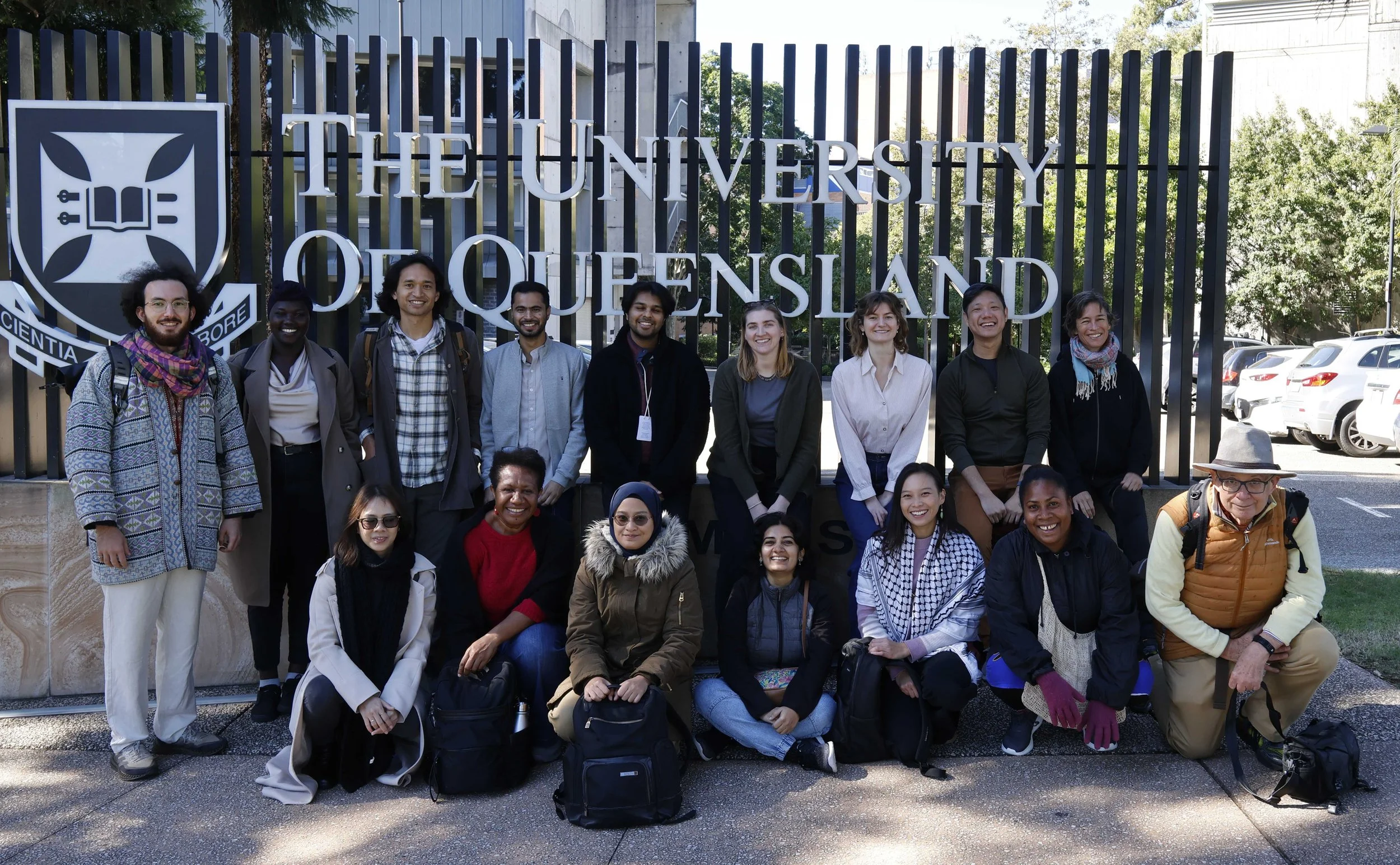
Last year, Planet Indonesia helped organise a Forum in Meanjin/Brisbane, Australia, prior to the International Congress on Conservation Biology (ICCB). At the two-day Forum, 22 scholars and practitioners from around the world exchanged insights and experiences on the important topic of “Advancing Customary Tenurial Rights in Area-based Conservation”. This blogpost outlines some background and highlights from our discussion.

Read More
‘My motivation to be a part of the patrol team is to protect the proboscis monkeys in my village.’

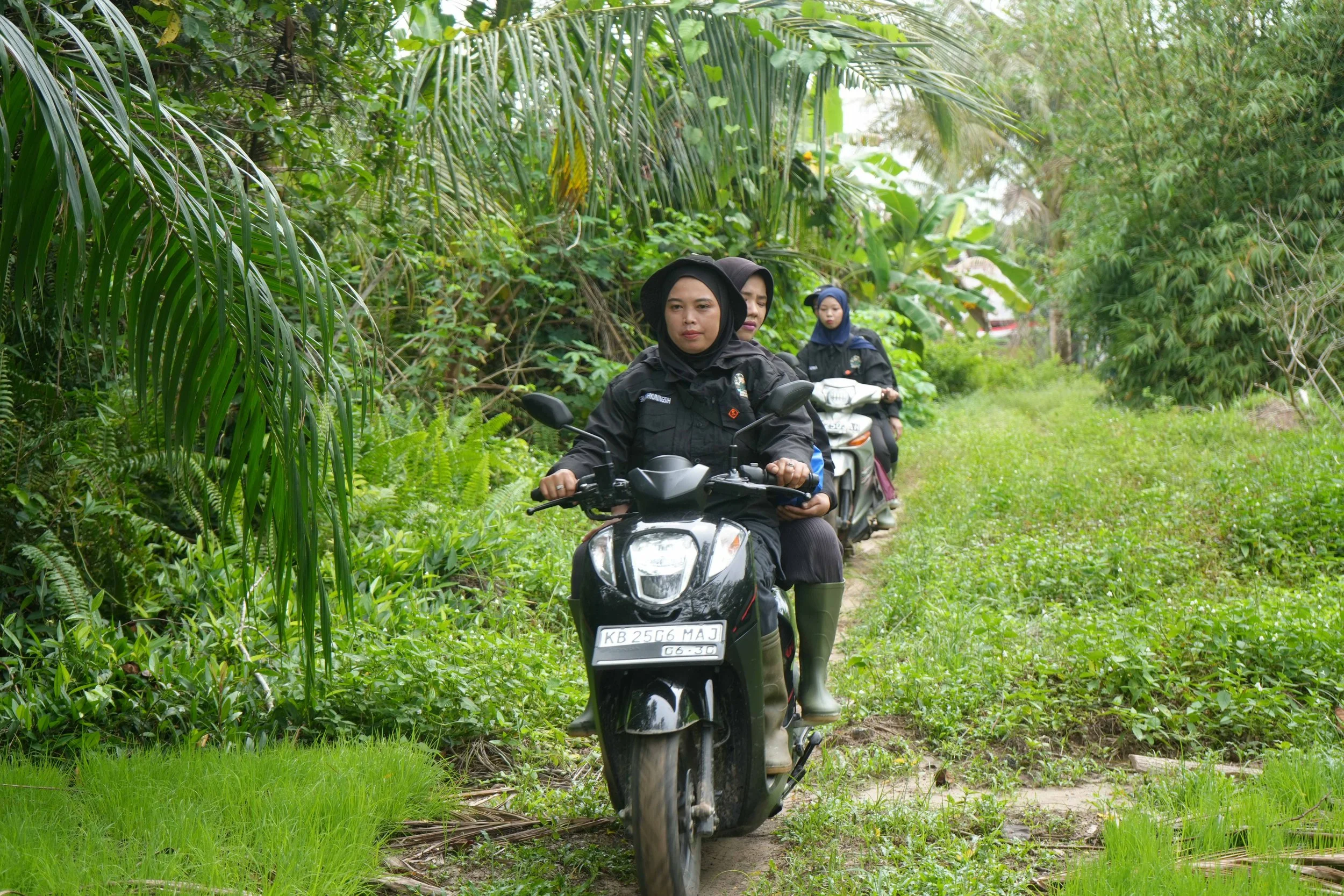
Mangrove and peat swamp forests make up over half of the area of the West Bornean coastal village Mengkalang Jambu. This adds up to less than 3,000 ha, yet community-led SMART patrols record the majority of the proboscis monkey encounters across Kubu Raya district here. Over the past five years, four SMART patrol teams in the district travelled a total of 5,118 km, the equivalent of the distance between Dublin and New York. In the past, these monkeys were seen as pests in certain areas, but with numbers plummeting every year, they became a symbol of pride and diversity in the region.

Read More
Between Gold and Green: Communities in Melawi Fight for Their Future

In the heart of Melawi, rivers once ran clear and forests stretched unbroken. Villages here live on the edge of these ecosystems, relying on them for food, water, and survival. But today, those same rivers carry mercury from illegal gold mining, and forests are giving way to expanding palm oil estates. In this part of Kalimantan, communities face a difficult balance: securing livelihoods without losing the land and water that sustain them.

Read More
When Communities Lead, Forests Breathe Easier

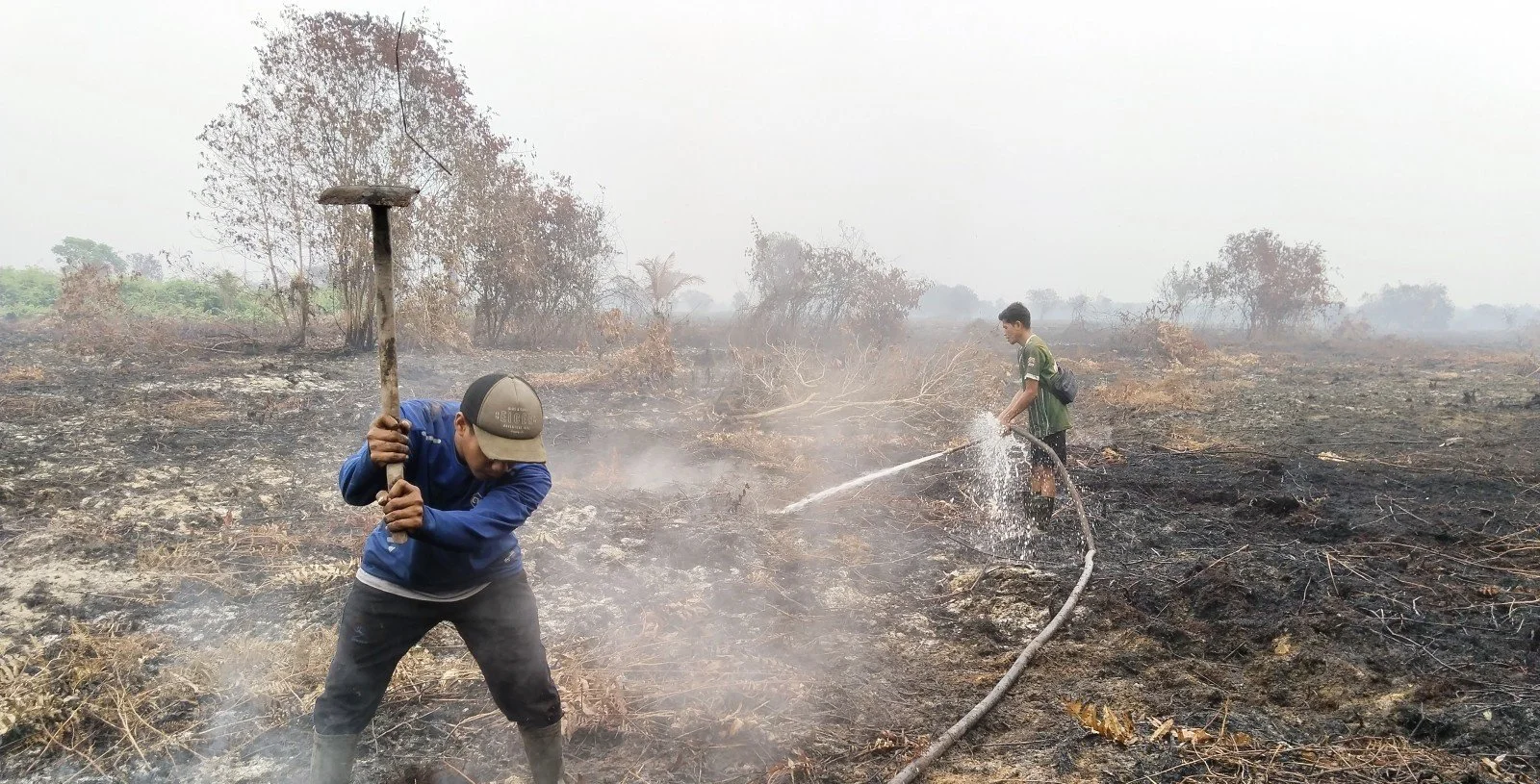
Across Indonesia, fire has long been part of how people clear land. But today it also carries another meaning: loss. Loss of forests, loss of wildlife, loss of health, loss of history. Fires blacken skies, threaten livelihoods, and push fragile ecosystems closer to collapse. For years, the solutions came from outside: stricter rules, impractical technologies, or one-off projects decided far from the people most affected. What we’ve seen is different. The long-lasting solutions start in the communities that live and breathe with the forest.

Read More
Strengthening our Radical Listening: Staying committed to community leadership in times of growth

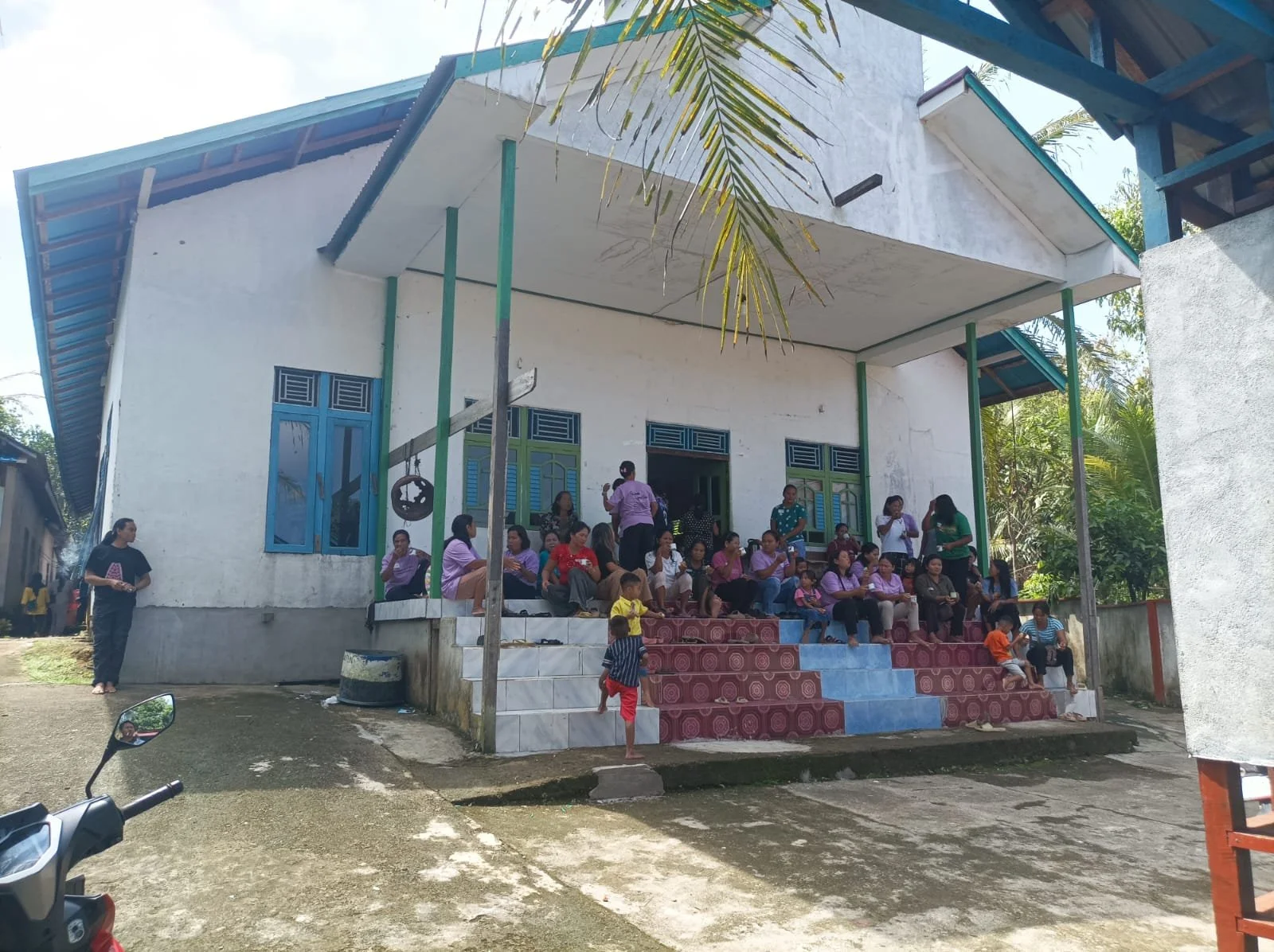
On the first morning in our new partner village of Ganjang, we were waiting for the women from the community to arrive for our initial focus group discussion. Heavy rain pounded the tin roof of the church we were using as a gathering space. We worried no one would come. But then, one by one, women began to arrive, soaked, shy, but determined. Before long, 60 women had filled the benches, sketching out their hopes for the future and raising concerns about polluted rivers, gold mining, and their children’s futures. 

Read More
It Ain’t You: Lessons on Scale, Control, and Clarity

“It’s tough love. Fellows are pushed. You are expected to be sharper, clearer, and more honest with yourself. You are required to defend your thinking and logic. It isn’t always comfortable. But it’s the kind of challenge that leaders and organizations need to grow.” Adam Miller reflects on the Mulago process and Planet Indonesia’s pathway to scale.

Read More
The Forest Has a Voice - Part 1: Tuning In to Indonesia’s Rainforest Soundscape

Something new is unfolding in the forests of Gunung Naning, West Kalimantan. In partnership with conservation technology experts at WildMon, Planet Indonesia is deepening its use of bioacoustic monitoring, this time integrating artificial intelligence to help analyze the forest’s soundscape while continuing to center both science and community knowledge.

Read More
Redefining Conservation in Karimata: A Model for Community-Led Marine Governance

On a quiet shoreline in the Karimata Islands, turtle tracks crisscross the sand, some real, others carefully crafted by the hands of local monitors. These hand-drawn decoys, made to mislead poachers, reveal something deeper than surface-level conservation. They tell a story of a community that no longer watches from the sidelines but instead leads the effort to protect its land and sea.

Read More
Ten Years of Planet Indonesia: 7 Reflections and Lessons Learned

As we sit and reflect, it feels almost surreal to think that it has been ten years since we founded Planet Indonesia. A decade ago, we began with a simple but profound question: How could we put communities back in the lead, giving them control over their social and ecological futures? 

Read More
Introducing Aliansi Bumi Kita: Uniting Communities for Conservation and Resilience

At Planet Indonesia, we believe that effective and lasting conservation begins with people who have been the guardians of their lands for generations. It starts with the communities whose traditions are interwoven with the forests, rivers, and oceans they call home. That’s why we’re excited to introduce Aliansi Bumi Kita (Our Earth Alliance), a dynamic coalition of grassroots organizations, Indigenous communities, and civil society groups across Indonesia, united by a shared mission of social and environmental transformation.

Read More