
Posts tagged inclusive governance
Only three villages still have clear rivers: Meragun Adds Wildlife and Gold Mining Rules to Its Customary Law

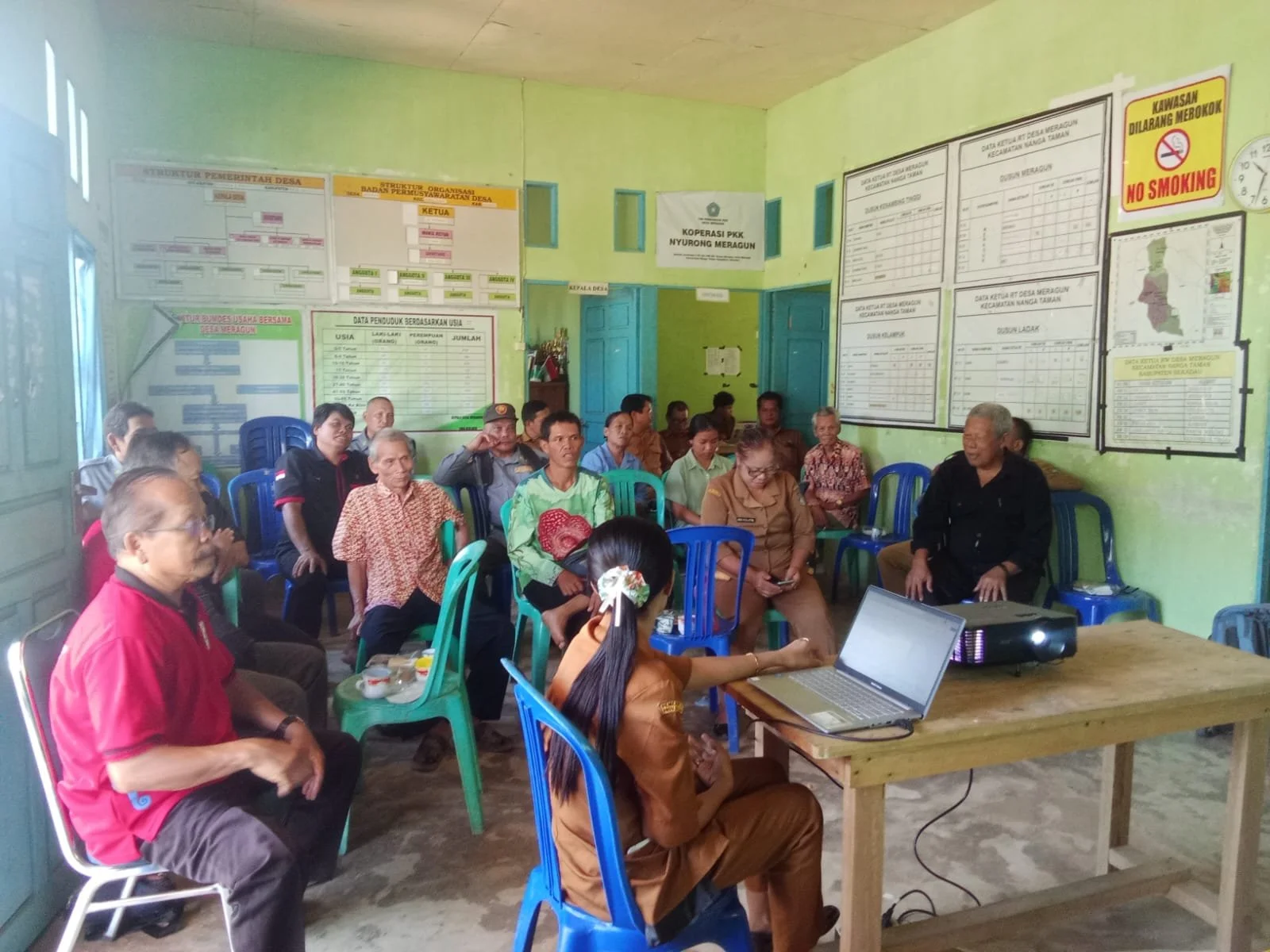
In Meragun village, West Kalimantan, Indonesia, customary leader Pak Among says unlicensed gold mining is already polluting the river.

On 14 September 2026, 68 people gathered in Meragun, in Nanga Taman sub-district, Sekadau district, to ratify two new articles in the village's customary law book (Buku Hukum Adat). One protects wildlife and plants. The other bans unlicensed gold mining, known locally as PETI. Both are now formally part of Meragun's Buku Hukum Adat. 

Read More
Advancing Customary Tenurial Rights in Area-based Conservation: An International Forum of Scholars and Practitioners

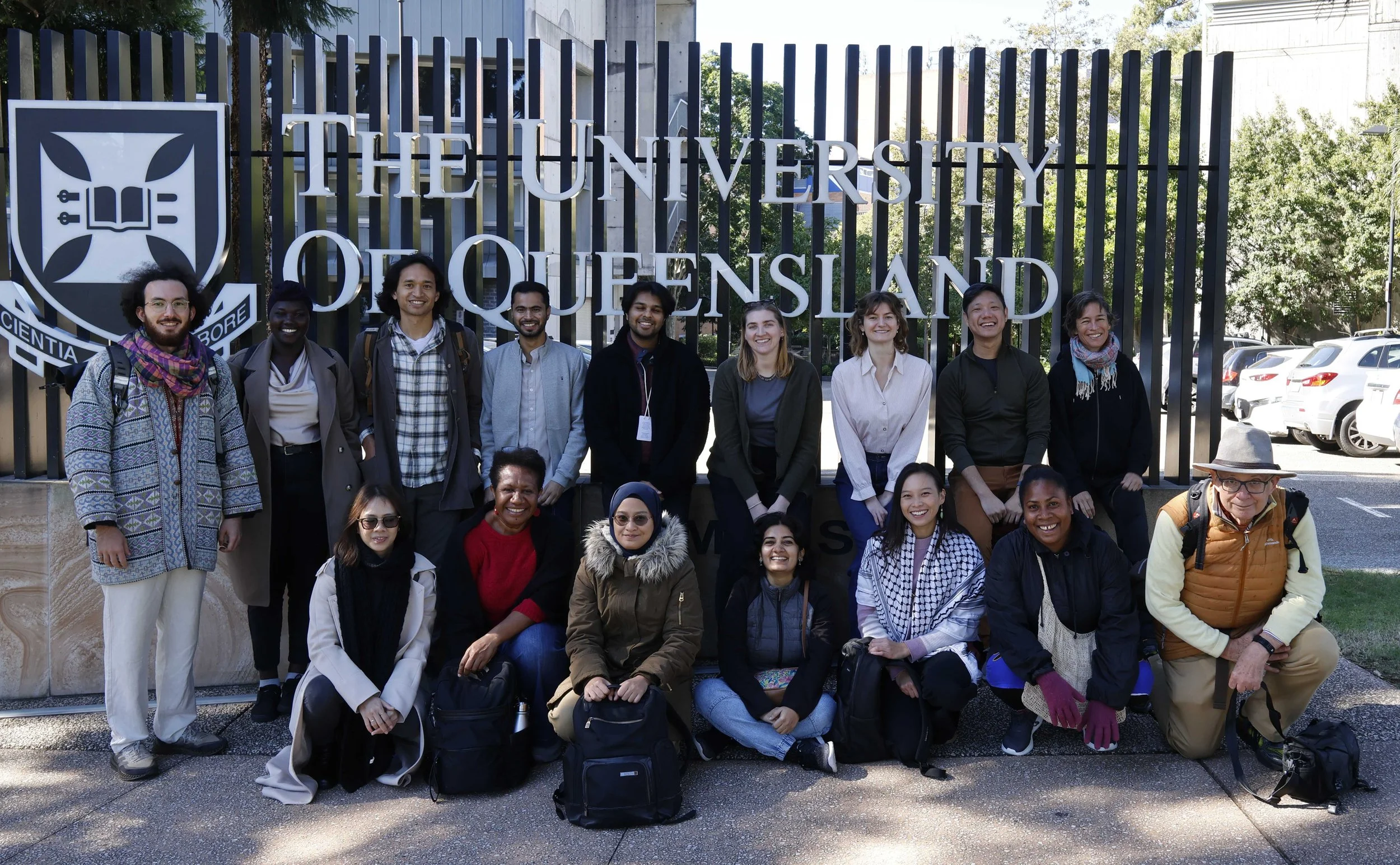
Last year, Planet Indonesia helped organise a Forum in Meanjin/Brisbane, Australia, prior to the International Congress on Conservation Biology (ICCB). At the two-day Forum, 22 scholars and practitioners from around the world exchanged insights and experiences on the important topic of “Advancing Customary Tenurial Rights in Area-based Conservation”. This blogpost outlines some background and highlights from our discussion.

Read More
‘My motivation to be a part of the patrol team is to protect the proboscis monkeys in my village.’

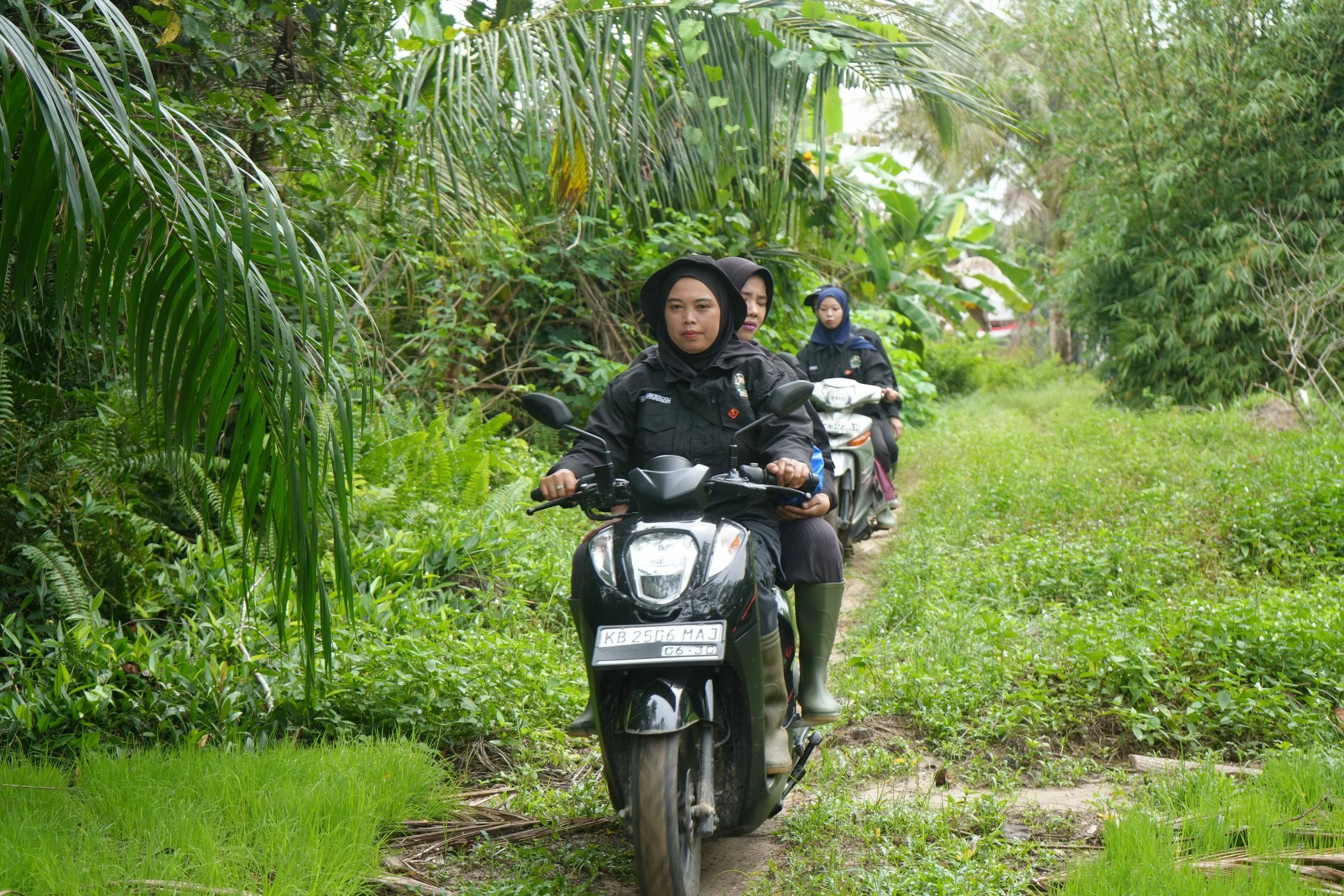
Mangrove and peat swamp forests make up over half of the area of the West Bornean coastal village Mengkalang Jambu. This adds up to less than 3,000 ha, yet community-led SMART patrols record the majority of the proboscis monkey encounters across Kubu Raya district here. Over the past five years, four SMART patrol teams in the district travelled a total of 5,118 km, the equivalent of the distance between Dublin and New York. In the past, these monkeys were seen as pests in certain areas, but with numbers plummeting every year, they became a symbol of pride and diversity in the region.

Read More
Redefining Conservation in Karimata: A Model for Community-Led Marine Governance

On a quiet shoreline in the Karimata Islands, turtle tracks crisscross the sand, some real, others carefully crafted by the hands of local monitors. These hand-drawn decoys, made to mislead poachers, reveal something deeper than surface-level conservation. They tell a story of a community that no longer watches from the sidelines but instead leads the effort to protect its land and sea.

Read More