
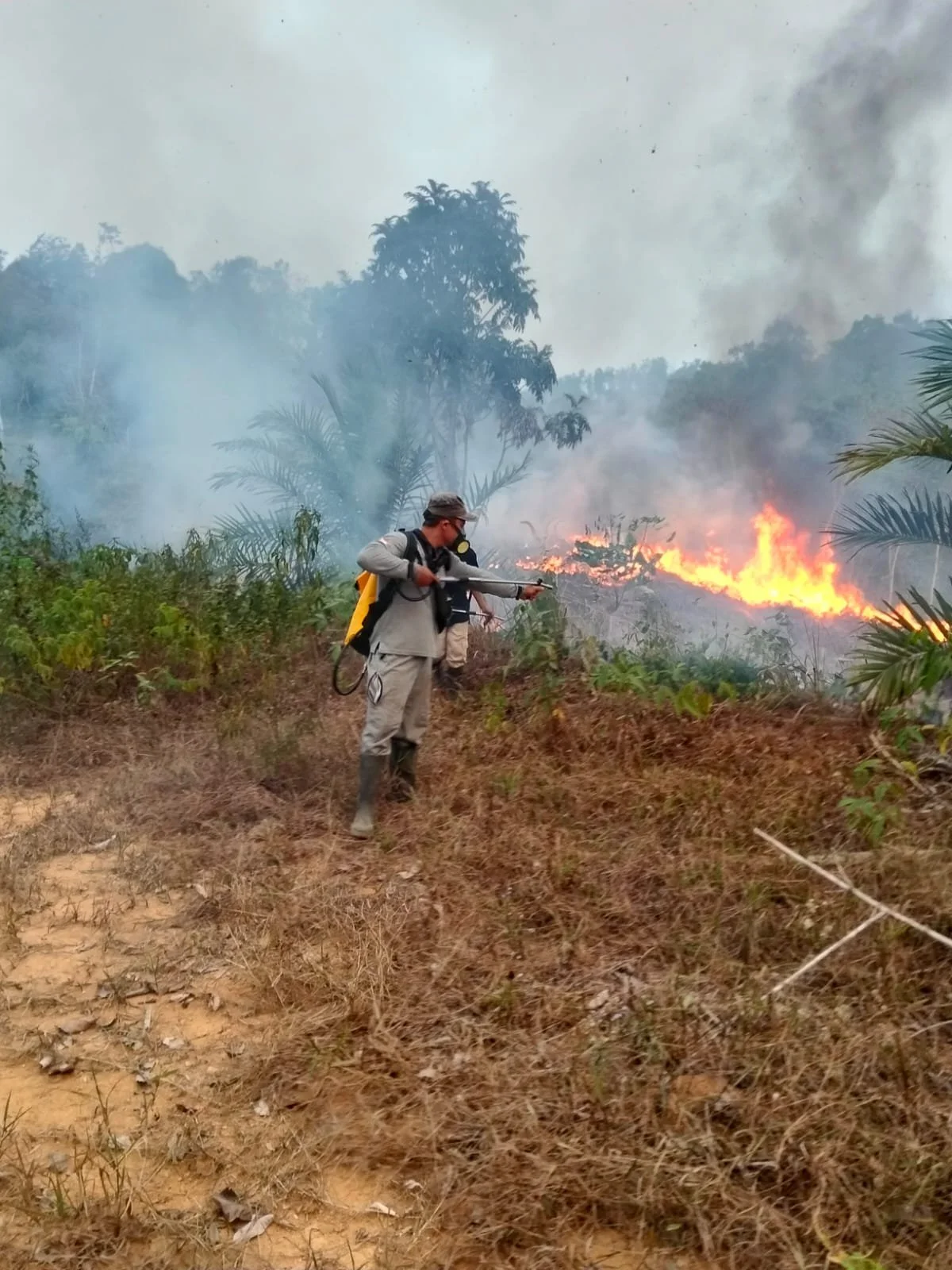
Support 32 frontline fire teams with equipment, water sourcing, hotspot mapping, and coordination throughout the worst fire seasson in a decade.
Across West Kalimantan, the forest is burning from the ground up. Fire has moved through peat swamps and hillside forests, and on drained peat it keeps burning underground for weeks after the flames are gone. Along the coast, endangered proboscis monkeys, found nowhere on earth but Borneo, are dying in the fires and smoke. Others, along with leaf monkeys, are coming down to villages and beaches because there is nowhere left to drink. Endangered species are losing their habitats and villagers are fighting to protect thier homes.
In the villages, a fire that escapes one plot can reach a neighbour's within hours. In Dusun Tanjung Ruu, a single pond still holds fresh water; the rest have turned salty. Upriver, the rivers have dropped too low for boats, so fuel and food arrive late and cost more. Schools have moved online, and even in Pontianak, the provincial capital, clinics are seeing more than 300 respiratory cases a day.
This is the driest season since 2015. From January to August, 105,599 hectares burned in the province, three quarters of it in August alone.
“It is like watching our life's investment in protecting tropical ecosystems go up in flames before our eyes.”
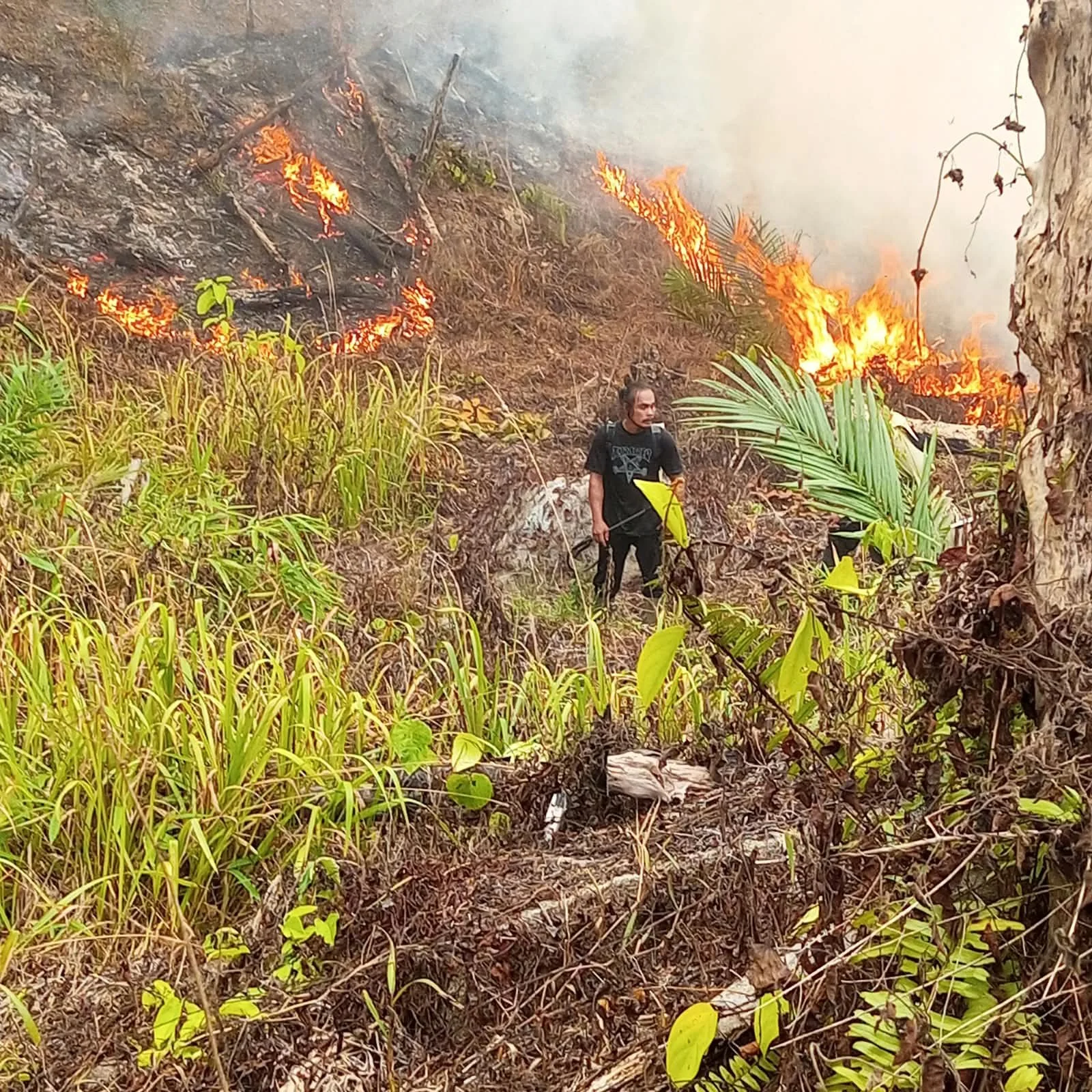
100% to the front line. This is emergency funding for community fire-fighting. Our program and overhead costs are already covered, so every dollar you give goes to village fire teams: operational support for volunteers on shift, pumps and hoses, water, and relief for households hit by fire.
The response and reality
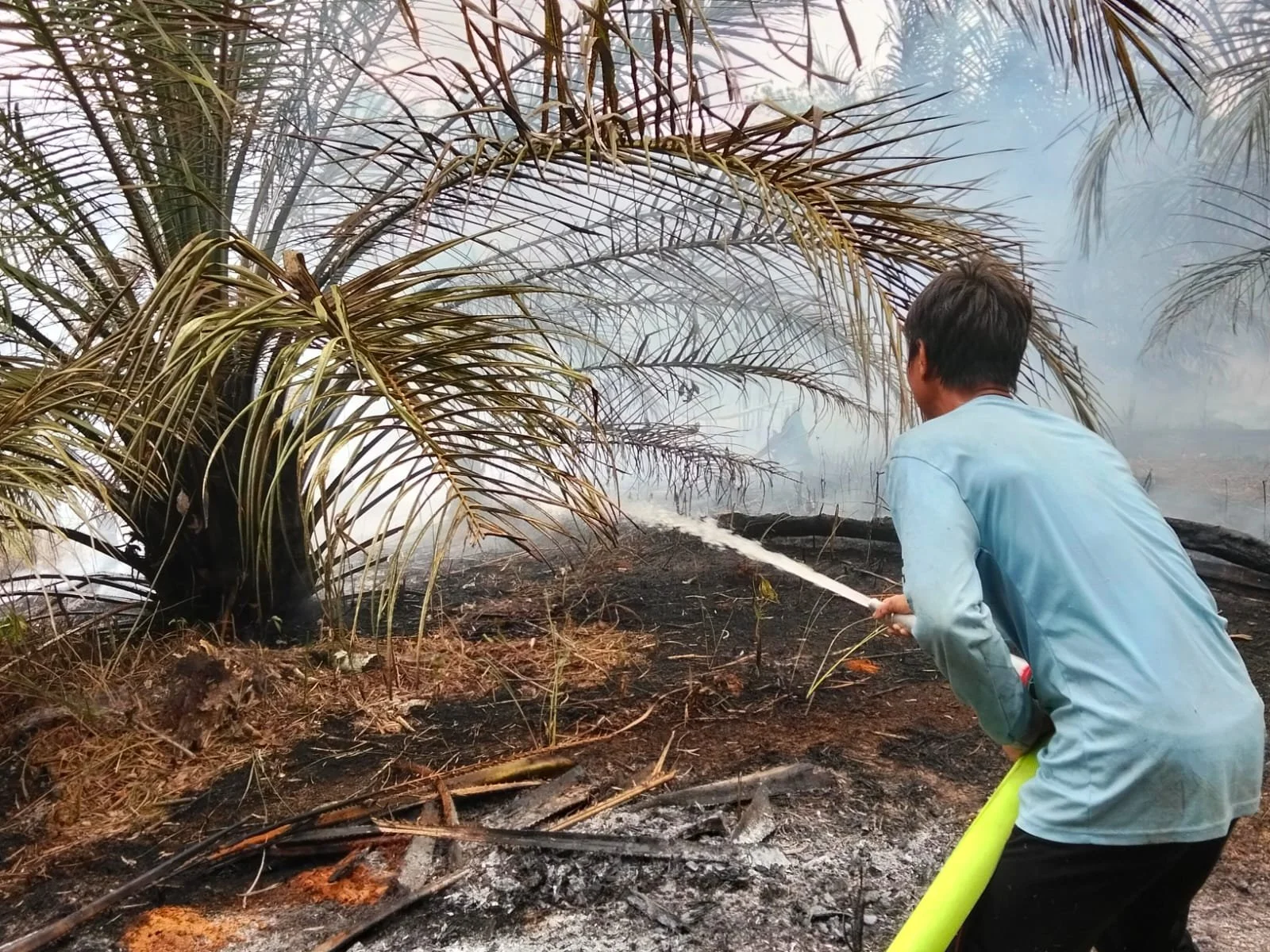
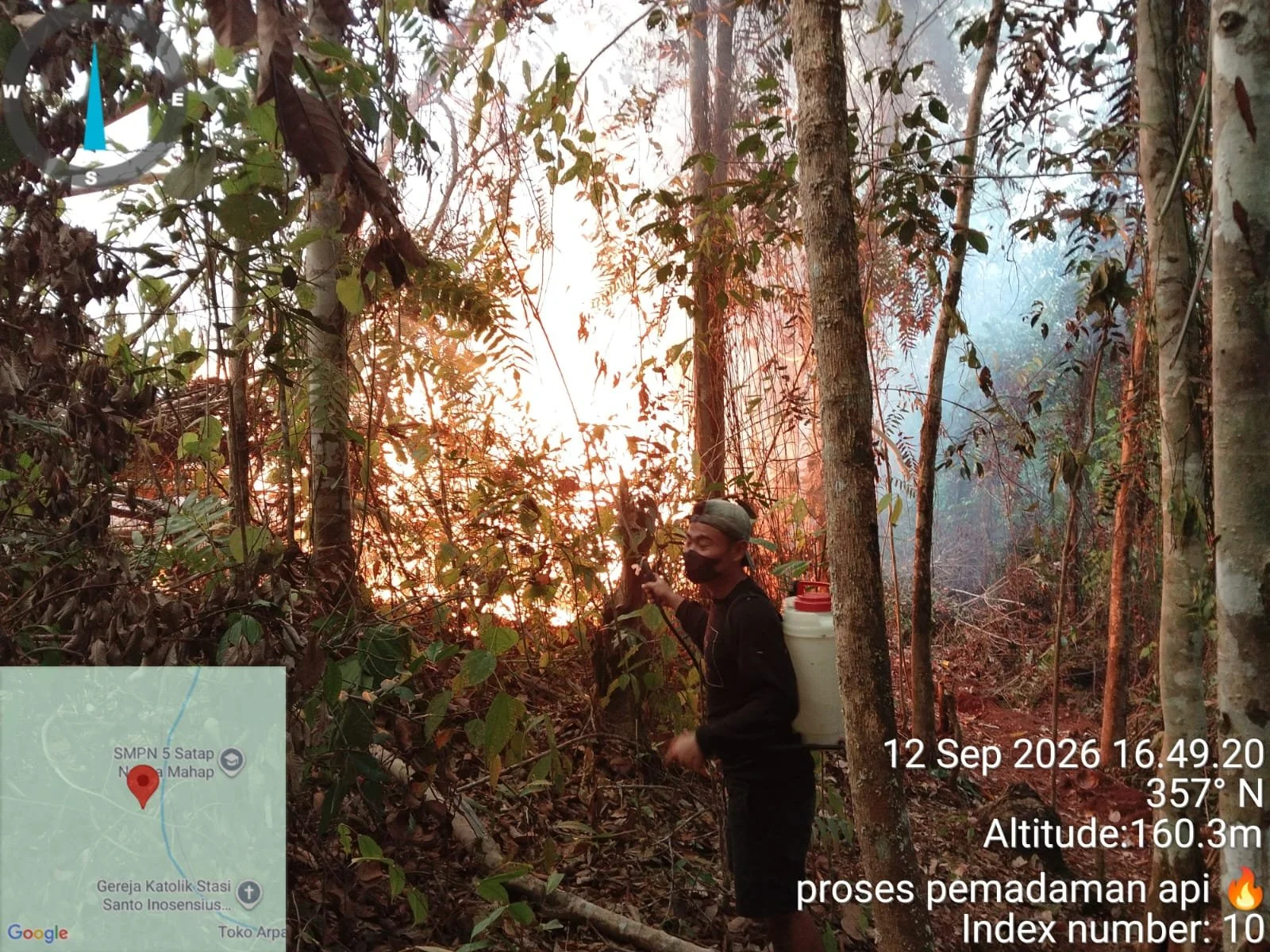
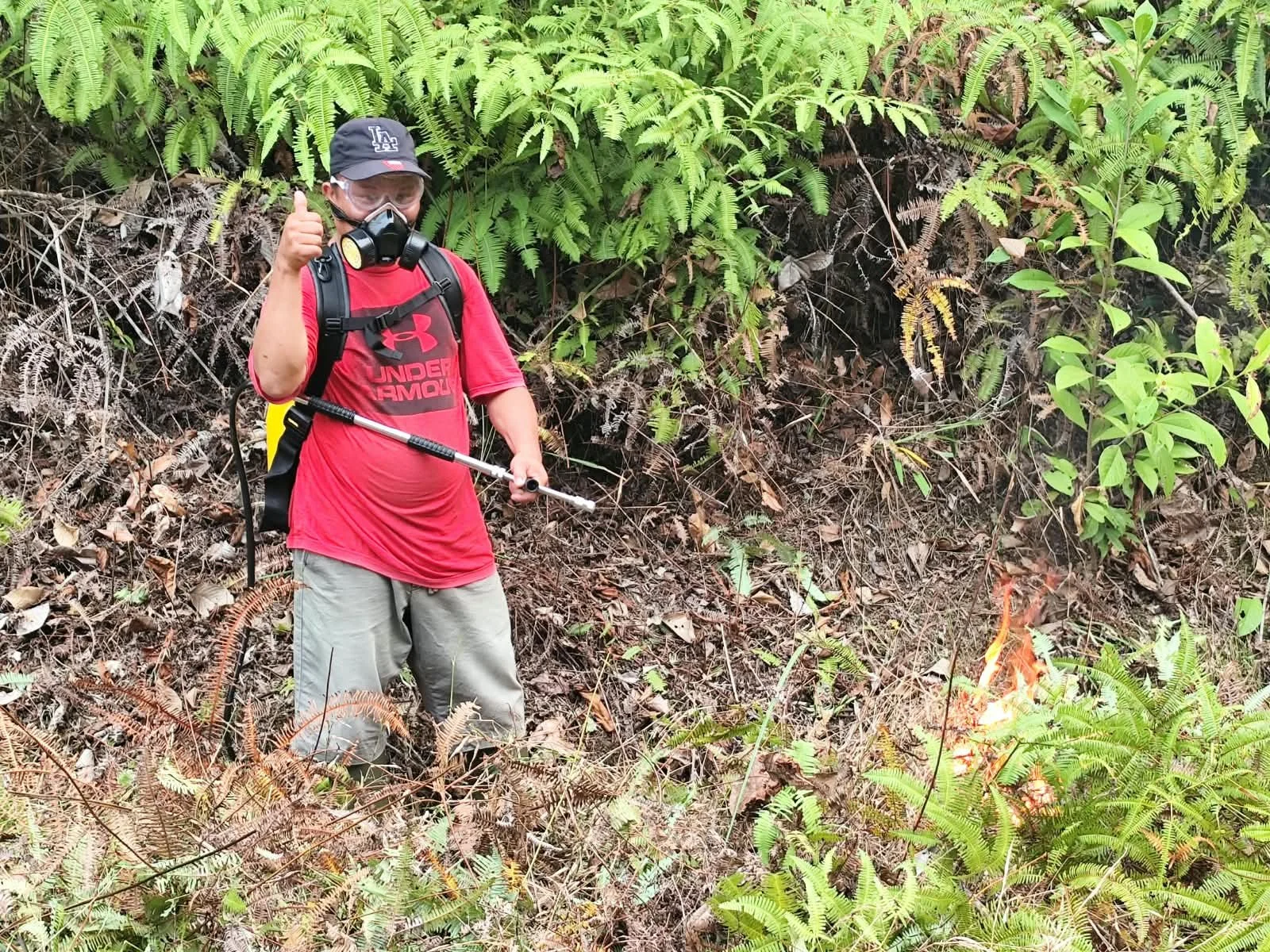
In 32 villages, the people who govern these forests are already on watch. Community governance bodies run fire patrols in two shifts a day, from seven in the morning until eight at night. They check every satellite hotspot on foot. When they find fire, they reach it first.
The priority is reaching fires as early as possible, before they get into the peat. On mineral soil, a team arriving within the hour can usually stop a fire where they find it. On drained peat, an hour is often already too late.
It is imperative that these communities get the support they need. The equipment is starting to arrive. What isn't funded yet is keeping people on shift: food, fuel, and support for time spent patrolling instead of farming or working. On drained peat, a fire reached in the first hour can be stopped. A fire reached later can burn underground for weeks.
Two foundations have already committed $50,000.
Help raise the remaining $53,000 so all 32 villages can stay on watch through December.
 Donate
100% to the front line. This is emergency funding for community fire-fighting. Our program and overhead costs are already covered, so every dollar you give goes to village fire teams: operational support for volunteers on shift, pumps and hoses, water, and relief for households hit by fire.
Why it works
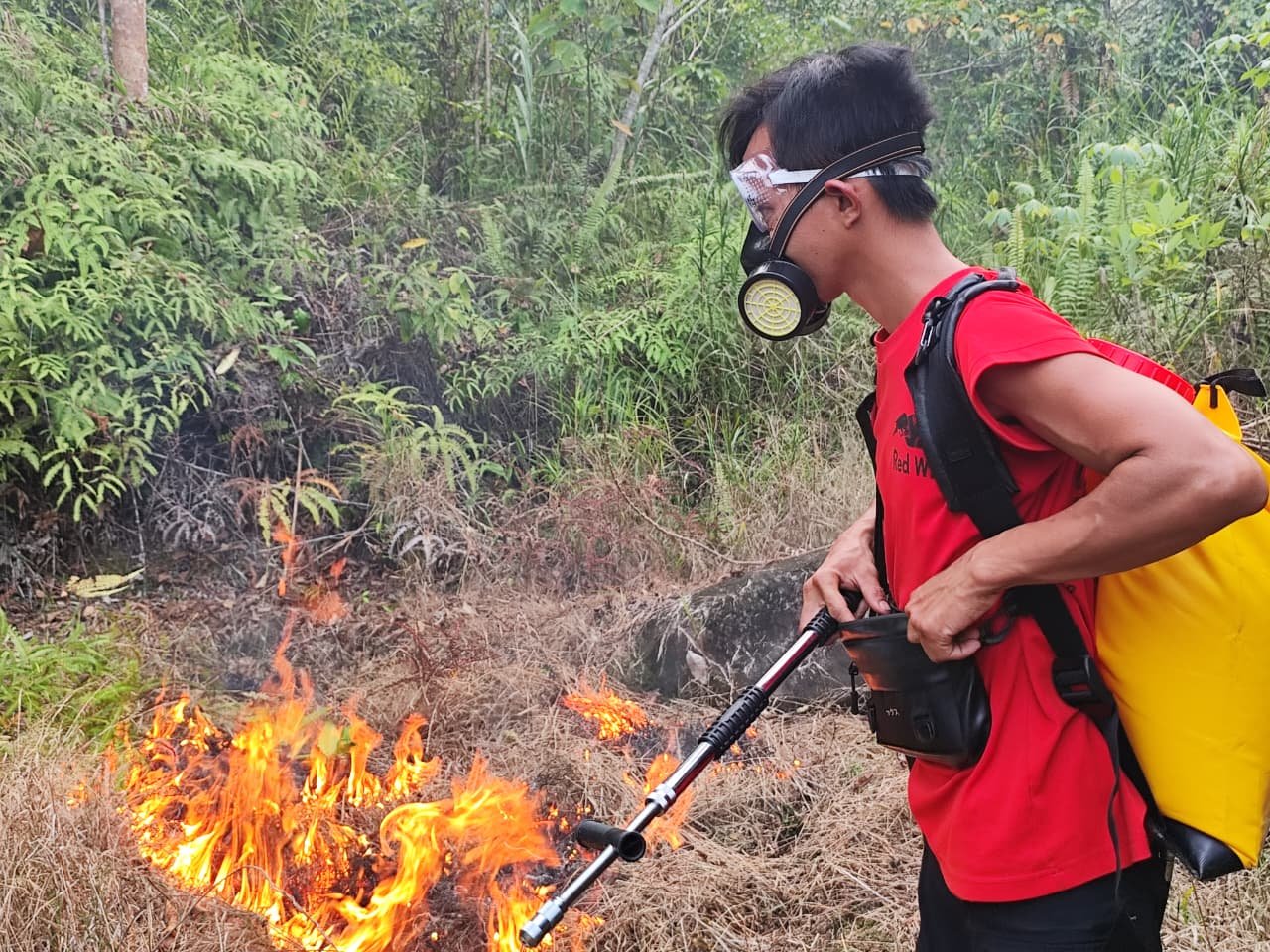
Where community teams operate, burned area has fallen by a median of 87–100%. Nothing here is a new emergency structure. The money goes through village enterprises that already keep audited records. Volunteers are chosen in open village meetings, and support is for verified shifts. Every pump stays in the village afterwards, for irrigation and clean water.
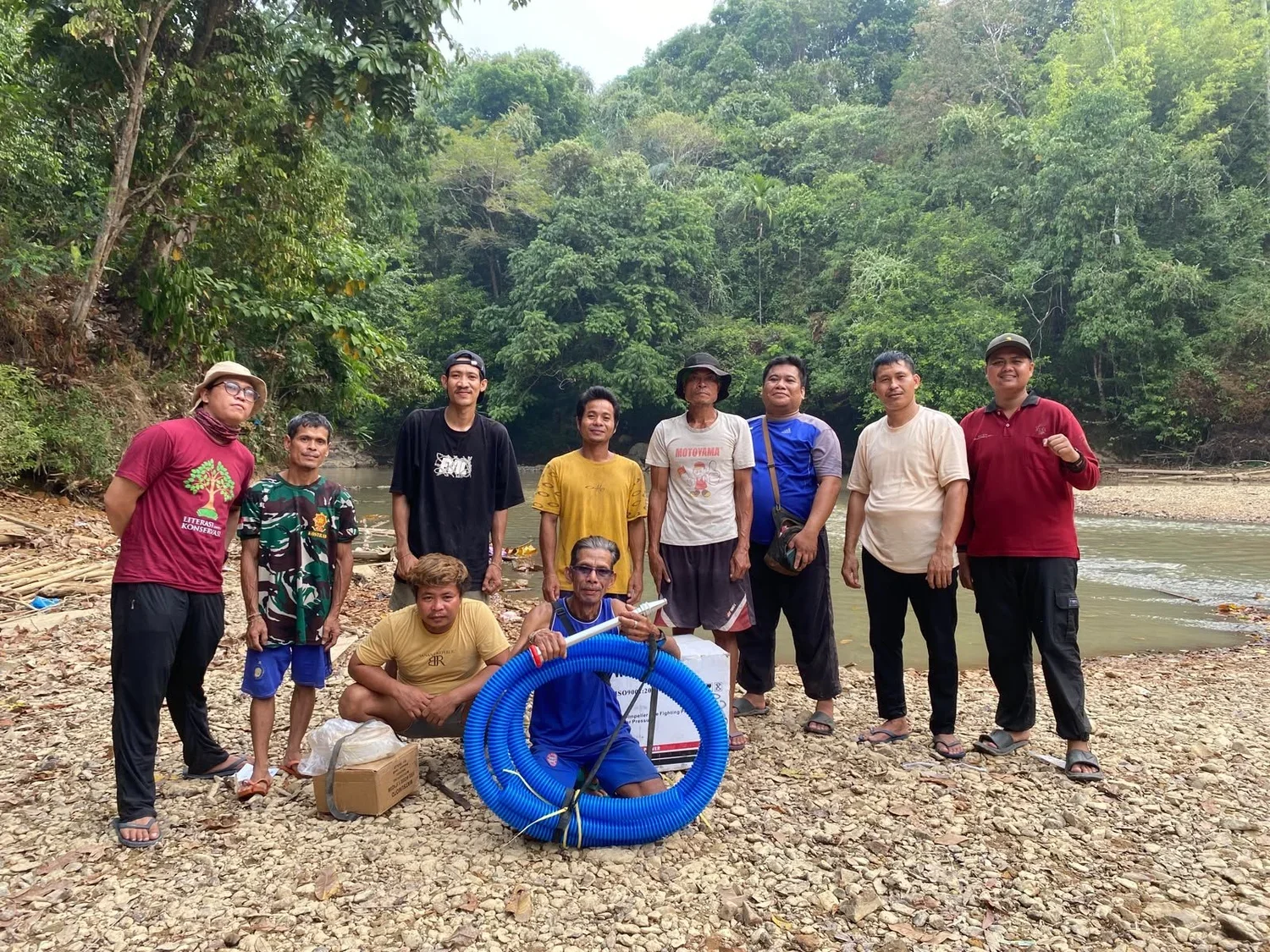
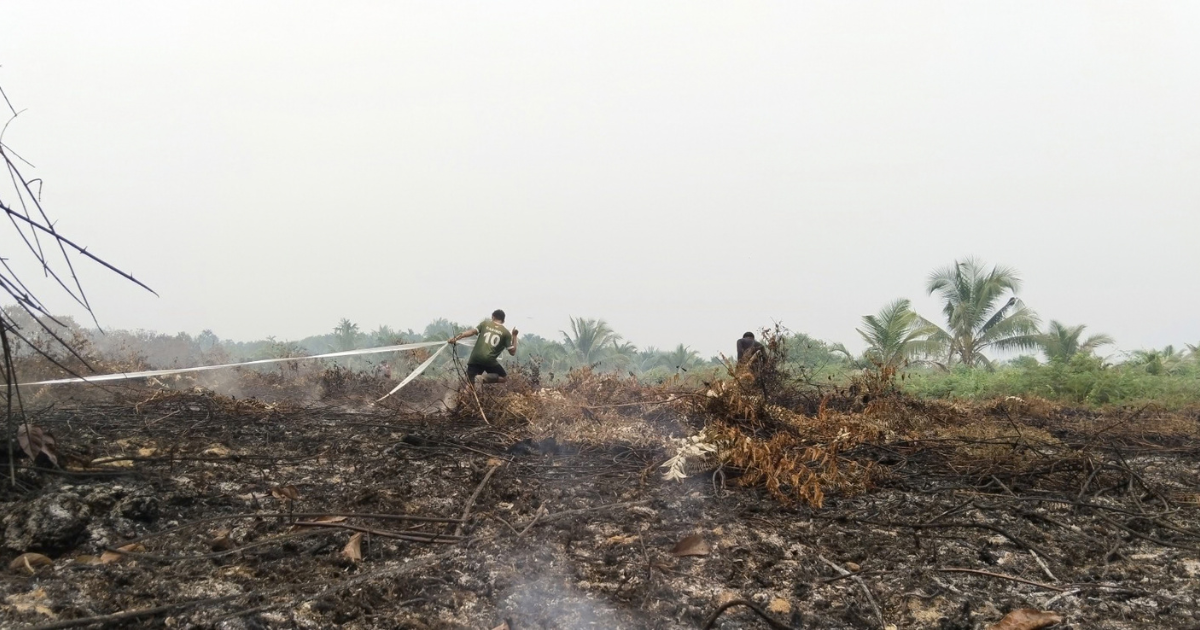
Equipment reaching a village team. Hose and pumps are bought at district level so they arrive in days rather than months.
