
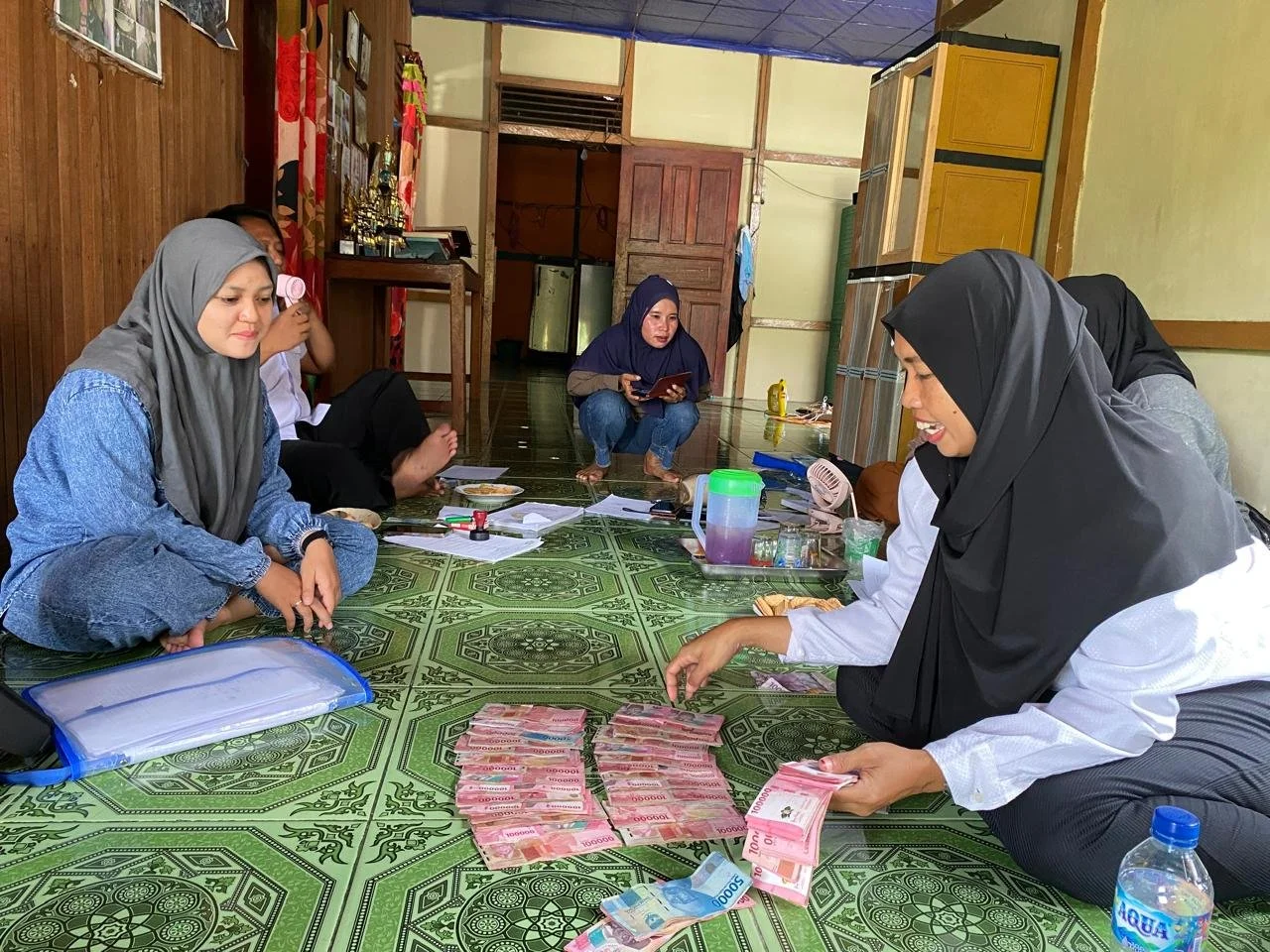
When a community sets up a savings and loans group, it is building something new together: a shared fund, a set of rules, a small working group to run it. It asks people to trust one another and to trust the system they have built. When that trust breaks down, it is the response of the community that is the key, and the difference between short-term conservation and livelihoods interventions and effective, sustainable change for communities and the environment.
Read MoreIn recent years, alternative livelihoods have gained significant popularity in conservation programs worldwide. These approaches often aim to reduce the dependency of local communities on natural resources that are threatened or endangered - moving people away from an ‘at-risk’ resource.
Read MoreSmall-scale fishers and smallholder farmers in tropical countries are often financially excluded, leading to debt cycles and environmental loss in community-centered conservation areas. Financial exclusion limits access to formal/informal credit and financial services, forcing resource users to rely on sources of credit with high-interest rates and unfavorable terms.
Read More